
Grief Beyond Death: The Loss of Land, Culture and Belonging
When most people think about grief, they imagine the loss of a loved one. But grief isn’t limited to death. Many of us carry quiet, unspoken grief around land, culture, and belonging. These are the losses that don’t always get named, yet they shape how we move through the world.
As we move through the fall months, we also move through days of remembrance: Truth and Reconciliation Day, Indigenous Peoples’ Day, Thanksgiving and Dia del Muerto . Each invites reflection on land, culture, and belonging — and the grief tied to these themes.
As a trauma-informed therapist, I often sit with people who are grieving what they never had, what was taken from them, or what feels out of reach. This grief is just as real and valid as grief tied to death.
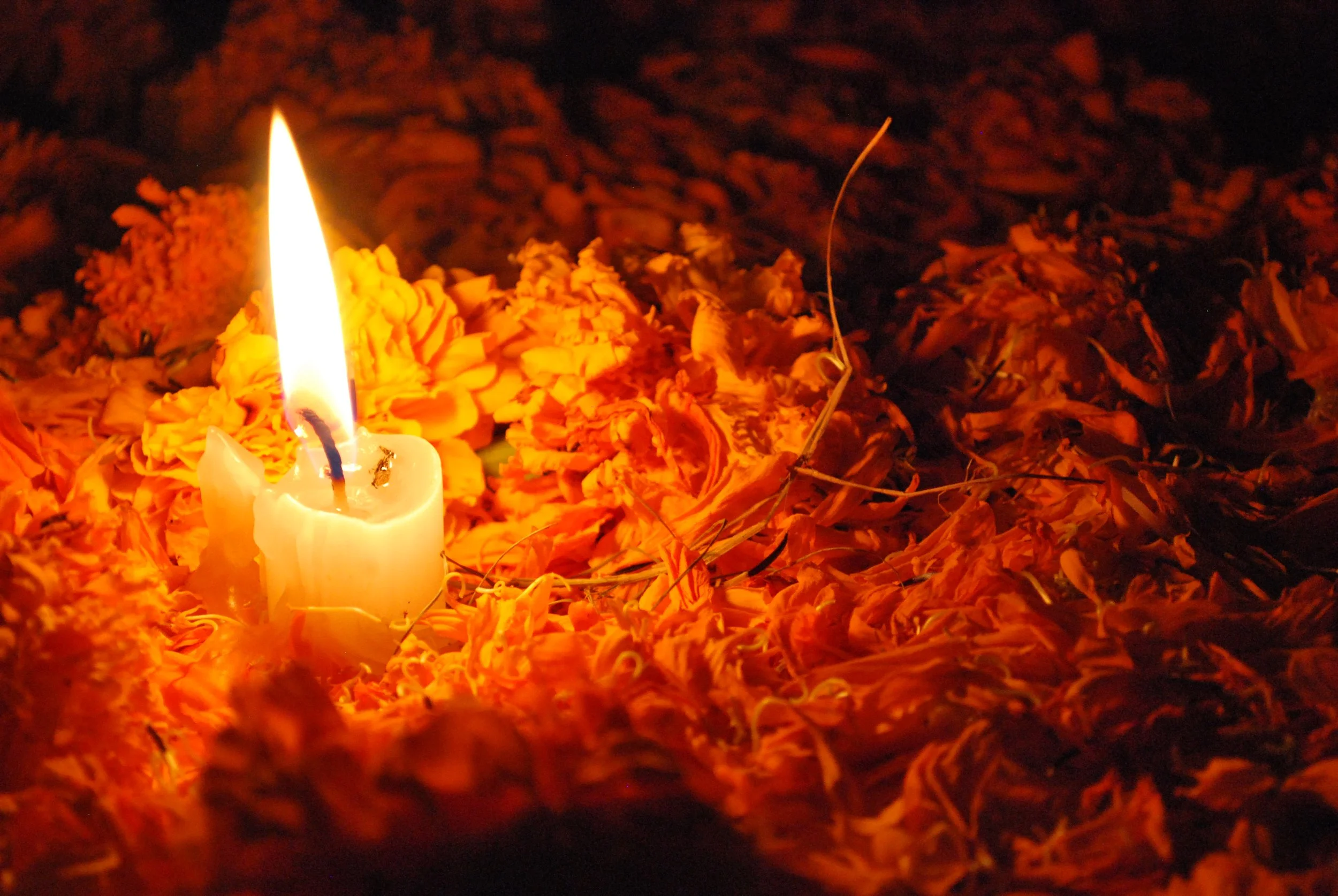
Grief Beyond Death
Grief can live in many places:
The longing for a homeland or ancestral land.
Many BIPOC communities cannot live in their homelands due to systems shaped by colonialism and capitalism. These forces create economic scarcity, lack of safety, and barriers to collective care. Even when individuals reside in new lands with their own stories and traditions, the soul often remains tied to the ancestral land. Being physically away from it can create a deep emptiness — the grief of disconnection.
The disconnection from culture, traditions, or language.
For those who have had to leave home, or who had land, culture and language stripped away by systemic oppression, the sense of disconnection can feel isolating and disorienting. It fractures identity and leaves many feeling untethered. This disconnection often carries grief, shame, and even depression.
The ache of not feeling fully seen or accepted in community.
As humans, we are wired for belonging. Existing in spaces where identity isn’t reflected or accepted can feel lonely and disorienting. We may long for the joy of being in community, where we are seen, celebrated, and safe.
For many BIPOC and immigrant communities, this grief is layered, ongoing, and often unspoken. It may surface when a cultural holiday passes quietly, when words in a first language don’t come easily, or when a story feels out of place in dominant culture.
How Unspoken Grief Shows Up
When grief doesn’t have space, it often shows up in the body and mind:
Feelings of anger or irritability
Numbness or disconnection
Anxiety or restlessness
A sense of rootlessness or longing
Recognizing these experiences as grief can be the first step toward healing.
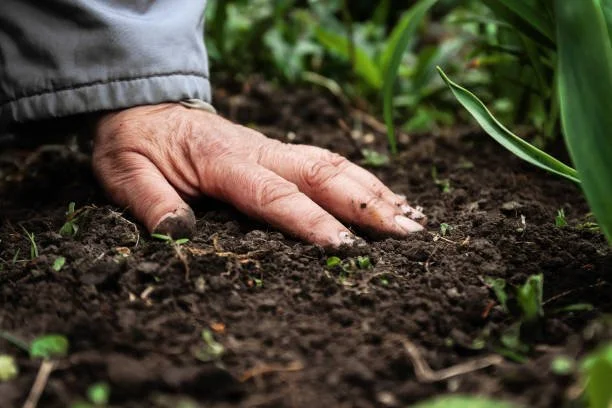
Grief of ancestral land
Gentle Ways to Honor This Grief
There’s no one “right” way to grieve, but here are a few practices that may help:
Naming Your Grief
Land and cultural grief are rarely acknowledged. Naming them brings them out of invisibility. Recognizing the systems that have created disconnection can also foster compassion and grace for yourself and your grief.
Creating Rituals
Small acts can become rituals of remembrance — cooking a traditional dish, lighting a candle in honor of land or people, planting something in soil, or visiting a place that feels grounding.
Seeking Community
Grief is lighter when shared. Whether with family, friends, or in therapy, telling stories and being witnessed can remind us that grief doesn’t have to be carried alone.
Grief beyond death is real and worthy of care. When we acknowledge the grief tied to land, culture, and belonging, we give ourselves permission to heal and reconnect — with ourselves, our communities, and the roots that sustain us.
If you are navigating grief, trauma, or questions of cultural identity, you don’t have to hold it alone. I offer individual therapy, both online and in-person, and would be honored to walk with you in your healing journey. You can learn more about my services.
