
Rebalancing the Brain: What a Dopamine Detox Can Teach Us About Real Rest
November has a way of slowing us down. The light changes, the air cools, and nature begins to rest. But while the world outside quiets, many of us still feel overstimulated.
Notifications, social media, constant to-do lists, our minds rarely stop.
As the seasons shift, our bodies and energy are meant to slow down too. Ideally, our nervous system would follow nature’s rhythm. But instead, rest often feels unproductive, chaotic, or even unsafe.
Does this sound familiar?
You feel exhausted, your mind keeps a running to-do list, and the moment you feel bored, you pick up your phone. There’s no space for rest, just stimulation.
Imagine the moments of work and activity as the in-breath, and the quiet, still moments as the out-breath.
Our nervous system needs both to regulate. When we never allow ourselves the “out-breath,” we end up dysregulated — tired but wired, busy but empty.
In therapy, I often hear people describe feeling numb or restless — like their body is tired but their brain won’t stop buzzing. Often, this isn’t just stress. It’s our dopamine system out of balance.

What is Dopamine, Really?
Dopamine is often called the “feel-good” chemical, but it’s more accurately the motivation chemical. It helps us seek, pursue, and anticipate pleasure or reward.
In healthy amounts, dopamine drives creativity, learning, and excitement.
But when we’re constantly chasing quick hits such as likes, notifications, caffeine, binge-watching, our nervous system becomes flooded.
The result?
We lose touch with what actually brings real joy. Everything else starts to feel flat or “not enough.”
Constant, effortless hits of dopamine make the slower, more meaningful pleasures feel like too much work.
The Myth of “Detoxing”
“Dopamine detox” sounds extreme, but it’s not about removing joy or living without stimulation.
It’s about pausing and reconnecting — creating moments where you notice what truly nourishes you versus what drains you.
You might begin by asking yourself:
What do I reach for when I feel stressed, bored, or empty?
How do I soothe myself when I feel lonely or tired?
What actually helps me feel grounded afterward?
This process isn’t about deprivation, it’s about choosing sustainable connection and giving your nervous system space to breathe.
Building a “Dopamine Menu”
Instead of cutting everything off, create a dopamine menu: small, intentional actions that restore balance and bring genuine calm.
This helps you replace automatic reactions with conscious choices.
Quick dopamine (fast but fleeting):
Scrolling social media
Constant multitasking
Online shopping
Checking your phone out of habit
Slow dopamine (steady and nourishing):
Journaling or reading
Cooking a comforting, colorful meal
Moving your body gently and intentionally
Sitting near a window or going for a walk
Listening to music or spending time with someone safe, away from screens
Balancing your “fast” and “slow” pleasures helps you return to yourself — not the scroll.
What Real Rest Feels Like
When we begin to slow down, our body learns to feel safe in stillness again.
At first, this might feel uncomfortable, even boring.
But over time, that stillness becomes peaceful.
Think about a time you were at a cottage or camping with no service. Surrounded by people who were also unplugged, the day flowed naturally, and maybe you didn’t even notice how little you looked at your phone.
Rest isn’t just physical; it’s mental and emotional too.
It’s the space where you can hear your thoughts clearly, feel your emotions gently, and reconnect with what matters.
In a world that values productivity and constant movement, rest can feel threatening, as though your worth is tied to what you do.
But you are not what you produce.
You are allowed to rest. You need to rest.
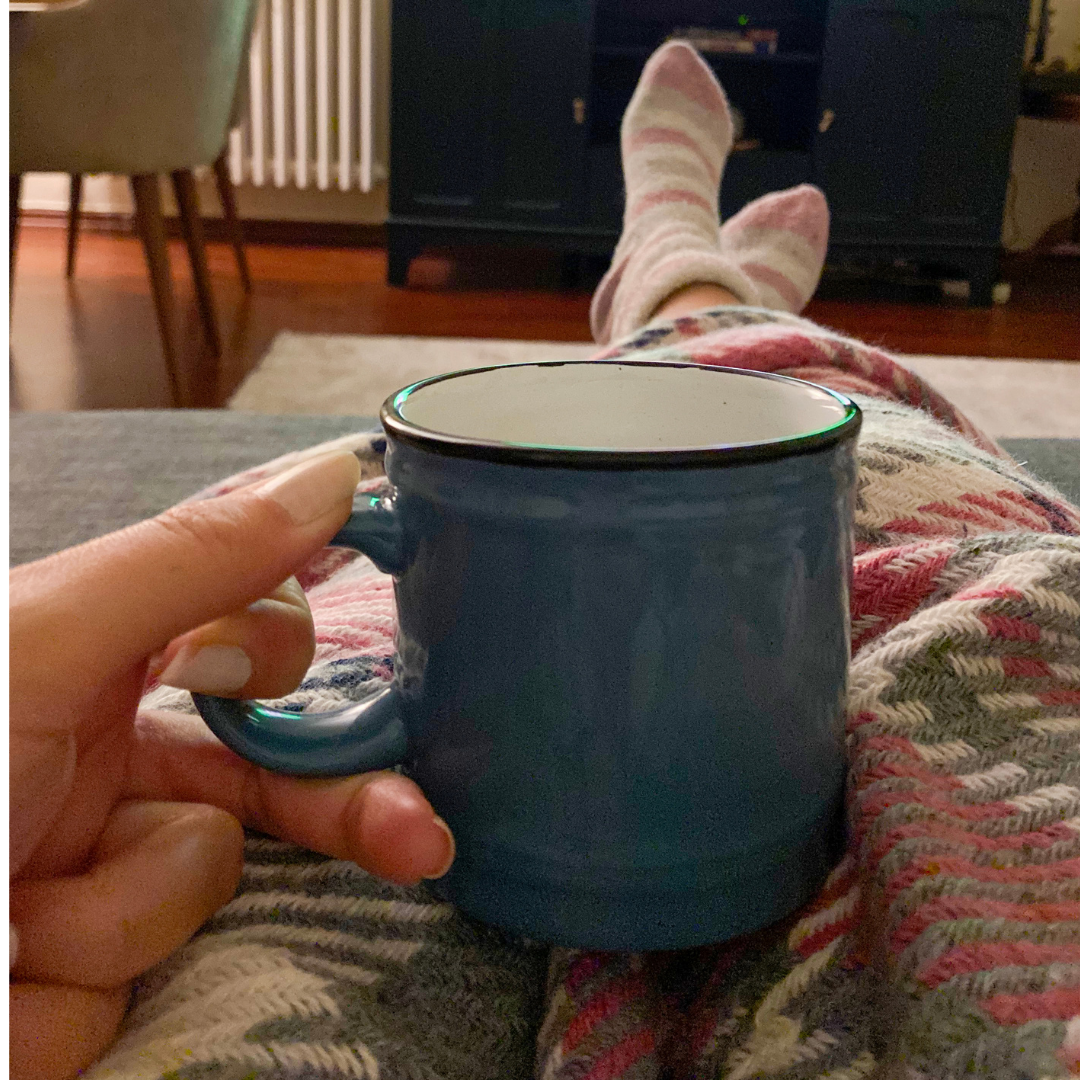
Try this gentle challenge:
At the end of your day, instead of reaching for your phone or a show, set a timer for five minutes. Just be with yourself — no screens, no distractions.
Notice what sensations or emotions come up.
If it feels hard, surround yourself with comforting things like a blanket, candle, or weighted pillow. Remind yourself: I am safe to rest.
A dopamine detox isn’t about removing joy — it’s about remembering where it really comes from.
As we move through November, notice your impulses.
Pause before you reach for your phone or another distraction. Ask yourself,
“What do I actually need right now?”
When you give your body and mind permission to rest, you create space for deeper satisfaction — the kind that lasts beyond a notification or a scroll.
If you’d like to explore how your nervous system and emotions are connected to your patterns of rest and stimulation, therapy can be a powerful place to start.
I offer both in-person and online sessions you can learn more here
